How the CAI numbering convention, colour-band codes, and junction cairns work together across the central and northern Apennine trail network.
Central & Northern Apennines
Detailed terrain classifications, CAI waymarking systems, seasonal weather windows, mountain refuge networks, and documented routes through remote historic villages.
2,912 m
Corno Grande — highest Apennine summit8,000+ km
Sentiero Italia — longest Italian long-distance trailMid-Jun — Oct
Reliable high-altitude weather windowField notes and structured reference material on Apennine trail conditions, navigation, and mountain infrastructure.
How the CAI numbering convention, colour-band codes, and junction cairns work together across the central and northern Apennine trail network.
Month-by-month breakdown of conditions across the Gran Sasso massif, the Sibillini range, and the Ligurian Apennines — including snowpack and storm-risk periods.
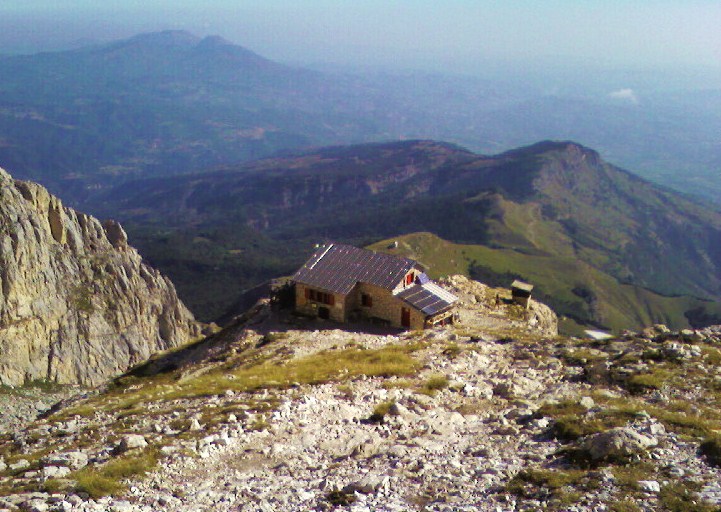
CAI-managed and private rifugi across the central Apennines — reservation requirements, seasonal opening dates, elevation ranges, and typical capacity figures.
Most trail accounts focus on the Dolomites or Mont Blanc approaches. The central Apennine spine — from the Gran Sasso south to the Pollino — covers terrain that receives a fraction of that documentation despite comparable elevation and far older mountain-culture infrastructure.
About This Reference
The Apennines present a distinct mix of limestone karst, beech woodland, and open highland meadow. Classified paths range from wide mule tracks to exposed ridge scrambles requiring hands-and-feet movement. Knowing the CAI difficulty scale before departure avoids mismatched expectations on the ground.
Snow cover on the Gran Sasso persists into late June in heavy winters. The Sibillini plateau floods in spring. Ligurian paths close during fire-risk periods in August. These details are not always reflected in published guidebooks — regional meteorological services and CAI section notices are the most reliable current sources.
Weather Windows GuideRoute details change. If you have an on-the-ground update — a waymark that has fallen, a refuge that has closed early, a river crossing that is now impassable — use the form below.